

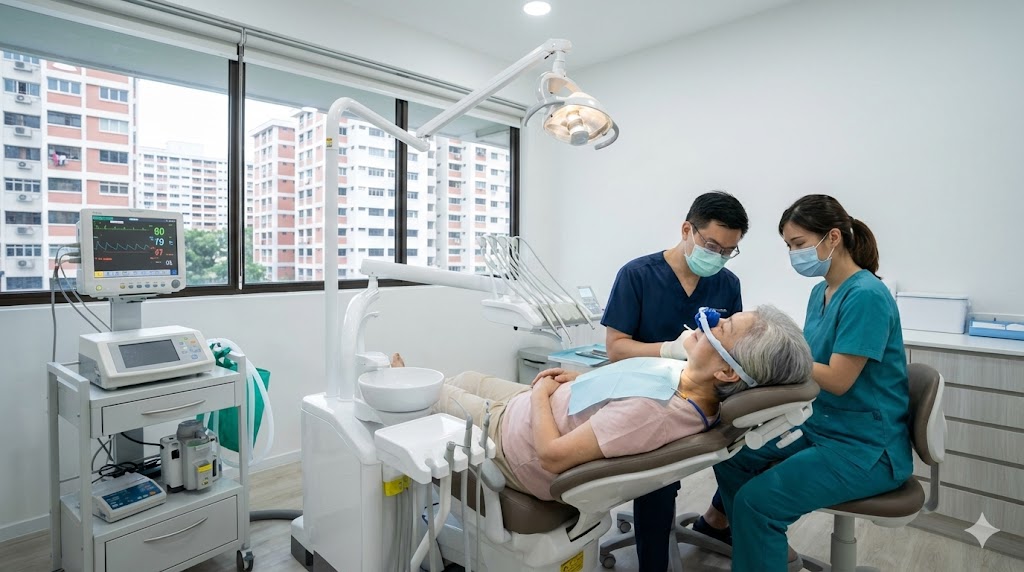
Dental anxiety is far more common in Singapore than many people realise. In a high-pressure, fast-paced society where long working hours, academic stress and ageing-related health concerns are part of daily life, many patients—both young and old—struggle to cope with dental treatment.
For parents with fearful children and caregivers of elderly family members, one question comes up repeatedly:
Is sleep dentistry safe and suitable for children and seniors in Singapore?
The short answer is yes—when done correctly, by trained dental professionals and for the right patients. But the full answer requires a deeper understanding of how sleep dentistry works, who it is suitable for and how it fits into Singapore’s healthcare standards, lifestyle and regulatory framework.
What Is Sleep Dentistry?
Sleep dentistry, also known as sedation dentistry, refers to the use of medication to help patients relax or sleep during dental procedures. It is commonly used for patients who experience:
- Severe dental anxiety or dental phobia
- Strong gag reflex
- Difficulty sitting still for long procedures
- Special healthcare needs
- Complex or lengthy dental treatments
Contrary to popular belief, sleep dentistry does not always mean complete unconsciousness. In Singapore, most sedation dentistry involves controlled, medically supervised sedation, not general anaesthesia.
Types of Sleep Dentistry Used in Singapore
Singapore has strict healthcare regulations, and sedation methods are chosen carefully based on the patient’s age, medical history and treatment needs.
1. Nitrous Oxide (Laughing Gas)
- Commonly used for children
- Mild sedation; patient remains awake
- Quick recovery and minimal side effects
- Considered one of the safest sedation options
2. Oral Sedation
- Medication taken before the appointment
- Suitable for adults and seniors
- Patient remains conscious but deeply relaxed
3. IV Sedation
- Used for complex procedures or severe anxiety
- Administered by trained dental professionals
- Continuous monitoring of vital signs
4. General Anaesthesia (Hospital-Based Only)
- Reserved for special cases
- Often used for children with special needs
- Performed in hospital settings
Is Sleep Dentistry Suitable for Children in Singapore?
Dental Anxiety in Singaporean Children
In Singapore’s academically competitive and structured environment, many children experience heightened anxiety. Dental fear may stem from:
- Previous painful dental visits
- Fear of injections or dental instruments
- Sensory sensitivity (sound, smell, vibration)
- Developmental or behavioural challenges
Paediatric dental studies in Singapore show that early negative dental experiences can lead to lifelong avoidance of dental care.
When Is Sleep Dentistry Recommended for Children?
Sleep dentistry may be considered for children who:
- Are extremely anxious or fearful
- Are unable to cooperate despite behavioural guidance
- Require multiple treatments in one visit
- Have special healthcare needs
- Are very young and unable to follow instructions
It is not used routinely, but selectively—always prioritising safety and necessity.
Is Sleep Dentistry Safe for Children?
Yes—when delivered under proper clinical guidelines.
In Singapore, paediatric sedation dentistry follows protocols supported by institutions such as:
- National Dental Centre Singapore (NDCS)
- National University Centre for Oral Health Singapore (NUCOHS)
Safety measures include:
- Thorough medical and developmental assessment
- Weight-based dosage calculation
- Continuous oxygen and heart-rate monitoring
- Clear parental consent and post-treatment care instructions
Benefits of Sleep Dentistry for Children
- Reduces fear, stress and trauma
- Allows dental work to be completed efficiently
- Minimises emotional distress
- Encourages positive long-term dental habits
For many Bedok families balancing school, tuition and work schedules, this approach reduces repeated visits and emotional strain.
Is Sleep Dentistry Suitable for Seniors in Singapore?
Singapore’s Ageing Population and Dental Challenges
Singapore has one of the fastest ageing populations in Asia. Seniors commonly experience:
- Gum disease (periodontitis)
- Tooth loss and loose dentures
- Dry mouth due to medications
- Complex restorative needs
Many elderly patients delay treatment due to discomfort, fear or medical complexity.
Why Seniors Benefit from Sleep Dentistry
Sleep dentistry can help seniors who:
- Have dental phobia or low pain tolerance
- Suffer from joint or mobility issues
- Require long or complex dental procedures
- Experience gag reflex or breathing difficulty
It allows dental care to be delivered comfortably, safely and with dignity.
Medical Considerations for Seniors
Dentists in Singapore take extra precautions for seniors with conditions such as:
- Diabetes
- High blood pressure
- Heart disease
- Sleep apnoea
- Multiple long-term medications
Before sedation, a personalized review is done to ensure patient safety and coordination with medical providers if necessary.
Is Sleep Dentistry Safe for Seniors?
Yes—with proper screening and professional monitoring.
Singapore’s dental regulations ensure:
- Only trained clinicians administer sedation
- Emergency equipment is readily available
- Clear recovery and aftercare protocols are followed
For seniors, sedation is carefully adjusted to be gentle and controlled.
Common Myths About Sleep Dentistry (Debunked)
Myth 1: Sleep dentistry is dangerous
Fact: It is very safe when performed by trained professionals.
Myth 2: Children are fully “knocked out”
Fact: Most children receive mild sedation, not general anaesthesia.
Myth 3: Seniors are too old for sedation
Fact: Suitability depends on health—not age.
Myth 4: Recovery takes days
Fact: Most patients recover within hours.
How Singapore’s Healthcare System Supports Safe Sedation Dentistry
Singapore’s healthcare framework strongly emphasises:
- Preventive care
- Patient safety
- Evidence-based treatment
Sedation dentistry fits well within:
- MOH clinical guidelines
- CHAS-supported dental care pathways
- Hospital–clinic collaboration models
Cultural and Lifestyle Factors in Singapore
Sleep dentistry addresses key Singaporean realities:
- Busy working adults caring for both children and elderly parents
- High expectations for comfort and safety
- Multi-generation households common in Bedok
- Growing awareness of mental wellbeing and anxiety management
In modern Singapore, comfortable dentistry is no longer optional—it is expected.
Sleep Dentistry at Dental Clinic Bedok
At Dental Clinic Bedok, sleep dentistry is delivered with a strong focus on patient comfort, safety and personalised care.
Why Choose Dental Clinic Bedok?
- Dental professionals trained in sedation techniques
- Child-friendly and senior-friendly treatment approach
- Strict safety and monitoring standards
- Clear explanations for patients and caregivers
- Convenient access for Bedok and East Singapore residents
Whether it is a nervous child or an elderly parent, care is always gentle, ethical and patient-centred.
Who Should Consider Sleep Dentistry?
Sleep dentistry may be suitable if you or your loved one:
- Avoids dental visits due to fear
- Has had traumatic dental experiences
- Requires extensive dental treatment
- Has special medical or behavioural needs
A proper consultation is essential to determine suitability.
How Dental Clinic Bedok Can Help
For many Singapore families, sleep dentistry is truly transformative.
It:
- Eliminates fear and anxiety
- Encourages regular dental visits
- Prevents serious oral health complications
- Protects long-term quality of life
Most importantly, it ensures that children and seniors never avoid dental care because of fear or discomfort.
Book an appointment today and take the first step toward your perfect smile!
📍 Visit Us: Dental Clinic Bedok
📞 Call: +65 66904035
Comfort. Safety. Confidence.
That’s modern dentistry—done right in Bedok, Singapore.